
Content creatives & campaign design
One idea should still look like one brand everywhere it appears.
We turn a campaign idea and approved copy into visual assets that hold together across every format — recomposed for each shape rather than resized into it.
KineticMove easy
Brief
The message
Carry less. Go further.
The 12-litre pack, rebuilt at half the weight.
- The product
- The brand
- One call to action
It starts with a brief, not a size.
Illustrative campaign · sample creative
Before the artwork
“Make some creatives” is not a brief. It is a request for a brief.
Five questions turn it into a design problem somebody can actually solve.
Content creatives are the visual assets used to communicate a brand, campaign or message across digital formats — social graphics, ad creatives, campaign visuals, carousels and infographics among them. What gets designed, and how well it works, depends on what has to be communicated, who needs to see it, and where it will actually appear.
- What has to be communicated?One message, in a sentence. Not a list of features.Carry less. Go further.
- Who needs to see it?And what they already know about you.People who commute with a pack every day
- Where will it appear?Every placement, because each one is a different shape.Feed, story, a paid variant, a web banner
- What must stay recognisable?The things that make it yours across all of them.Type, the colour, how the product is shot
- What is allowed to change?Usually more than people expect.Layout, crop, where the call to action sits
The last two questions are the ones that decide whether a campaign holds together. Without them, every new asset is designed from nothing and the brand gets a little harder to recognise each time.
The master creative
Design one thing properly, then decide what is allowed to move.
The master is not the first asset. It is the rule the others inherit.
A master creative is the reference composition for a campaign: the message, the subject, the brand cue and the call to action, arranged in a hierarchy that everything else follows. Adapting from a master is what keeps a set of assets recognisable — it is the difference between a campaign and a folder of unrelated posts.
Carry less. Go further.
The 12-litre pack, rebuilt at half the weight.
See the packIllustrative campaign · sample creative
- 01The messageCarry less. Go further.Always first, always the largest type in the frame.
- 02The subjectThe pack, shot in useNever cropped through. It can move, it cannot be cut in half.
- 03The brand cueKineticPresent in every asset, never competing with the message.
- 04The supporting lineThe 12-litre pack, rebuilt at half the weight.Optional. First thing to go when the frame gets tight.
- 05The call to actionSee the packOne per asset, always inside the safe area.
Five decisions, made once. Every asset after this is an adaptation of them rather than a new argument about where the logo goes.
Adaptation
Same idea. Different composition.
Four formats, four layouts, one campaign.
Yes — one master creative can be adapted across formats, and adapting is not the same as resizing. A square, a portrait, a story and a wide banner have different proportions, different reading order and different interface constraints, so the composition is rebuilt for each while the message, subject, brand cue and call to action stay the same.
Choose a format to see what moves.
Carry less. Go further.
The 12-litre pack, rebuilt at half the weight.
See the packFeed post
Headline holds the upper-left, the subject sits centred with room on all four sides, and the call to action takes the lower corner.
A square is read whole, in one glance, so the hierarchy can be spread across it.
The headline moves to a full-width band at the top, the subject grows into the extra height below it, and the call to action anchors the base.
The extra height goes to the product, not to more white space — this is the format that earns the most attention in a feed.
Everything moves inward. The headline sits below the top interface strip, the subject fills the middle, and the call to action stays above the bottom safe area.
A phone interface covers both ends of this frame. Composition that ignores the safe areas loses the call to action to a progress bar.
The composition splits horizontally: copy takes the left with real breathing room, the subject moves right, and the call to action sits directly under the headline.
A wide frame stacked like a square leaves a thin strip of copy floating in the middle of nothing.
What never changes
- The message
- The subject
- The brand cue
- One call to action
Nothing in the list of what stays the same is negotiable, and nothing in the list of what moves is precious. Getting that split right at the master stage is what makes the rest of the campaign fast.
Hierarchy
If everything is emphasised, nothing is.
The most common problem with a creative is not taste. It is order.
A strong content creative makes the main message easy to understand at a glance, keeps the brand recognisable, and fits the space it will actually be seen in. Clear visual hierarchy does more for that than decoration — a reader should know what the asset is about before they have decided whether to read it.
Everything at the same weight
- Headline
- Supporting line
- Product name
- Offer badge
- Brand logo
- Call to action
- Legal line
Seven things competing. A reader picks none of them.
In order
- 01The messageLargest, first, unmissable
- 02The subjectWhat they are looking at
- 03The supporting lineRead only if the first two worked
- 04The call to actionClear, single, findable
- 05The brandPresent, not shouting
- 06The legal lineLegible, and nothing more
Two things are worth noticing here. The brand is fifth, and it still gets recognised — because the type, the colour and the way the product is shot were doing that work the whole time. And the offer badge is gone, because it was competing with the message rather than supporting it.
What resizing does
Different size. Same idea. New composition.
A wide banner squeezed into a story does not become a story.
Resizing keeps the layout and changes the frame; adapting keeps the idea and rebuilds the layout. When a wide composition is forced into a vertical frame, the type gets smaller relative to everything else, the subject crops through, and the call to action ends up where the interface covers it — none of which a scaling tool can see.
The master16:9
Carry less. Go further.
The 12-litre pack, rebuilt at half the weight.
See the packForced into9:16
Carry less. Go further.
The 12-litre pack, rebuilt at half the weight.
See the packRecomposed9:16
Carry less. Go further.
The 12-litre pack, rebuilt at half the weight.
See the pack- The headline collidesSet for a wide measure, it now wraps into four lines and lands on the product.
- The subject crops throughThe pack is cut in half by a frame edge that was never part of the composition.
- The call to action is lostIt sits exactly where the platform puts its own progress bar.
- The brand cue disappearsScaled down with everything else until it is no longer legible.
Recomposed, the same four elements sit where a vertical frame actually wants them — and it is unmistakably the same campaign as the wide one.
This is the difference the deliverable list on most creative pages does not describe. Anyone can export four sizes. Whether the fourth one still works is the job.
Variation
A campaign can have range without falling apart.
Four angles on one idea, still visibly the same campaign.
Yes — one campaign can carry several creative variations. Changing the angle, the subject or the message emphasis keeps a campaign alive over time, and it stays coherent as long as the visual rules established by the master creative are the thing that does not change.
- The product angleHalf the weight. All of the pack.The pack itself, and what changed about it
- The use-case angleStairs, twice a day, five days a week.The pack in the situation it was built for
- The message angleCarry less. Go further.The idea, stated on its own
- The announcement angleThe 12-litre, back in stock.Something that is actually new
What holds them together
- The type system
- The colour
- How the product is shot
- Where the brand cue sits
Four assets that could run in the same week without looking like four different brands. What holds them together is a short list of rules, not a template.
What this is, next to what it is not
Three neighbours, and the line between them.
Most agencies bundle these. It is clearer when they are separate.
No, ad creative is not the same as performance marketing. Ad creative is the visual and message asset; performance marketing covers the distribution, audience, tracking and optimisation around it. The same distinction applies to social — this service designs the asset, and the social service decides what to post, where and when.
- Ad creative
- Performance marketing
- Decides the objective, the audience, the angle to test and the budget behind it
- This service
- Designs the asset that puts that angle in front of somebody
- Social creative
- Social media
- Decides the platform, the content plan, the moment and the publishing
- This service
- Designs the carousel, the post and the story cover it needs
- Brand system
- Branding & identity
- Defines the type, the colour, the image language and the logo
- This service
- Uses that language, repeatedly, across real communication assets
Do content creatives need brand guidelines?
Existing brand guidelines make repeated creative production faster and more consistent, but they are not always required. Where the brand system is incomplete we work from whatever exists and establish the campaign-level rules the assets need — and where the gap is fundamental, that is a branding scope rather than something to solve inside a creative brief.
And the words
Where the copy already exists we design to it. Where it does not, deciding what should be said and how it is structured is content work, and it is a different service — this page is about what happens to a message once it has been agreed.
ContentHow it gets made
One brief, one master, and everything after it is faster.
The review that matters happens before the adaptations exist.
Creative production runs from brief to master design, through internal and client review where that is scoped, to approval and then adaptation and delivery. Reviewing the master before the adaptations are built is what keeps the work efficient — a change agreed at master stage costs one revision; the same change after twelve assets exist costs twelve.
- 01BriefThe message, the placements, and what must stay recognisable
- 02Master designOne composition, and the rules it sets
- 03Internal reviewBefore it reaches you
- 04Client reviewOn the master, where review is in scope
- 05RevisionAgainst the comments — at the cheapest possible moment
- 06ApprovedThe master is signed off, and it becomes the reference
- 07AdaptationsEvery format built from the approved master
- 08DeliveryFinal assets, in the sizes and formats agreed
This is why the master matters commercially as well as visually. Approving the shape of the campaign once is the whole reason a set of twelve assets does not cost twelve times a single one.
One campaign set
- Feed post1:1Approved
- Feed post4:5Approved
- Story / Reel cover9:16Approved
- Web banner16:9In review
- Paid variant1:1In review
- Email header2:1Draft
Which formats a project delivers, and in which file types, is agreed in its scope rather than assumed here.
And motion
Short-form motion — reel and short covers, simple animated versions of a campaign asset — is part of what we produce. Film production, casting and shoots are not, and where a campaign needs them that is a separate conversation rather than something quietly folded into a creative scope.
Do you use AI?
For exploration and iteration, where it helps: working through directions quickly, generating reference to react to, and speeding up production steps. What it does not do is decide whether an asset is on brand, whether the hierarchy works, or whether an image is cleared for the use it is going into — those need a person, and on client work they need a named one.
Scope
What makes one creative project larger than another.
Mostly how many masters, and how many shapes each one has to survive.
Creative scope depends on how many campaigns and master directions are involved, how many formats and adaptations each one needs, whether motion is included, how much of the copy and photography already exists, how mature the brand system is, whether illustration or infographic work is required, how many markets or languages are in play, how many approval rounds each asset passes, and whether the work is a one-off campaign or an ongoing volume.
- CampaignsHow many distinct ideas need a master
- Master directionsOne direction, or several to choose between
- Formats and adaptationsHow many shapes each master has to work in
- MotionWhether short-form motion is included
- Existing photographyWhether the subject already exists as usable imagery
- Copy suppliedWhether the message is agreed before design starts
- Brand-system maturityHow much has to be decided before anything can be made
- Illustration and infographicsWhether assets have to be drawn or built, not composed
- Markets and languagesWhether the same layout has to hold different text
- Approval roundsHow many reviewers, and how aligned they are
- Ongoing volumeA campaign, or a recurring queue of assets
- Export requirementsHow many file types and specifications
- Ongoing creative production
- Where a brand needs assets continuously rather than once, the same structure repeats: a campaign brief, a master, then a recurring queue of adaptations against it. What that looks like month to month — how much, how often, which formats — is agreed per engagement rather than sold as a package here.
- What we need from you
- The message or approved copy, whatever brand material exists, product photography if you have it, the list of placements the assets have to work in, and a named person who can approve the master. The placement list is the one people most often leave until last, and it changes the design.
- What you receive
- The final approved assets in the formats agreed for the project. Source files and ongoing editable access are agreed in scope rather than assumed — worth settling at the start if your team expects to make small changes later.
Selected work
Creative and campaign work we have made.
Published projects, with the scope shown taken from each project’s own record.
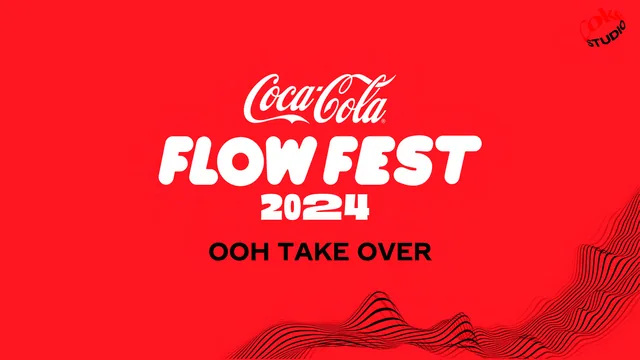
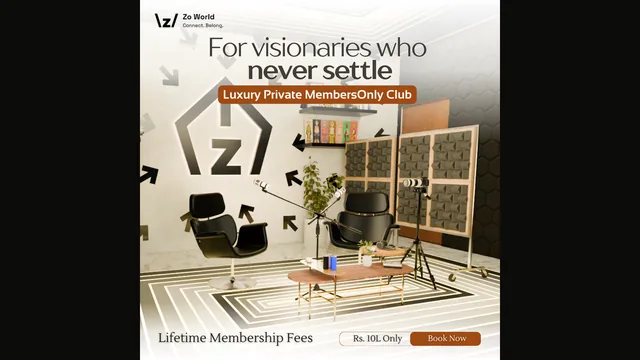
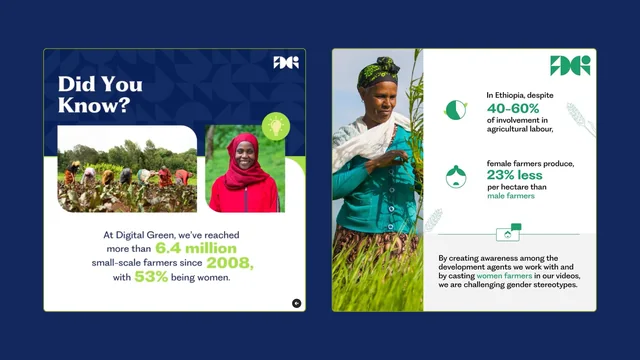
Selected creative and campaign work. The scope shown under each project is listed from its own record.
Questions
Creative production, answered.
- What are content creatives?
- The visual assets used to communicate a brand, campaign or message across digital formats — social graphics, ad creatives, campaign visuals, carousels, infographics and short-form motion among them. Which of those a project includes depends on where the assets have to appear.
- What types of creative assets do you design?
- Campaign visuals, social creatives including carousels and story or reel covers, ad creatives, web campaign banners, email and banner graphics, infographics, and short-form motion versions of campaign assets. Film production and shoots are a separate conversation.
- What is the difference between content creatives and content writing?
- Content writing decides what is said and how the information is structured; content creatives turn an agreed message into visual assets. They work together closely, and they are scoped as separate services.
- What is the difference between content creatives and social media management?
- Social media management covers strategy, planning, publishing and community. This service designs the assets that get published. One decides what should go out on Thursday; the other makes the thing that goes out.
- Is ad creative the same as performance marketing?
- No. Ad creative is the visual and message asset. Performance marketing covers the distribution, audience, tracking and optimisation around it — the campaign decides what angle to test, and the creative is the version that tests it.
- What makes a good content creative?
- That the main message is understandable at a glance, the brand stays recognisable, and the composition fits the space it will actually be seen in. Clear hierarchy does more for that than decoration.
- Is resizing the same as adapting a creative?
- No. Resizing keeps the layout and changes the frame; adapting keeps the idea and rebuilds the layout. A wide composition forced into a vertical frame usually loses the call to action behind the platform interface and crops the subject through.
- Can one master creative be adapted across formats?
- Yes, and that is the efficient way to work. A master sets the message, the subject, the brand cue and the call to action, and each format is a recomposition of those rather than a new design argument.
- Do content creatives need brand guidelines?
- They help, and they make repeated production faster, but they are not always required. Where the brand system is incomplete we work from whatever exists and set the campaign-level rules the assets need — and where the gap is fundamental, that is a branding scope.
- Can you work with an existing campaign?
- Yes. Where a campaign already has a direction we work inside it, which usually means establishing the rules it has been following implicitly so that new assets match rather than approximate.
- Can a campaign have several creative variations?
- Yes. Changing the angle, the subject or the emphasis keeps a campaign alive over time. It stays coherent as long as the visual rules from the master are what does not change.
- Do you design social media posts and carousels?
- Yes — feed posts, carousels, story and reel covers. What to post and when is social media work; designing the asset is this service.
- Do you design ad creatives?
- Yes, including variations built to test a specific angle. The campaign strategy, audience and optimisation around them belong to performance marketing.
- Do you produce motion or video?
- Short-form motion, yes — animated versions of campaign assets, reel and story covers. Film production, casting and shoots are not part of this service, and we would say so rather than fold them into a creative scope.
- Can you work with our existing copy?
- Yes, and it is the usual starting point. Where the copy is not agreed yet, deciding what to say is content work and a different service.
- Can you redesign our existing creatives?
- Yes. That normally starts by working out which rules the existing assets were following, deciding which are worth keeping, and rebuilding a master from there.
- Can approvals be part of the workflow?
- Yes, where it is scoped. The review that matters most is on the master, before the adaptations are built — a change agreed there costs one revision instead of twelve.
- Do you use AI?
- For exploration, iteration and production assistance where it helps. It does not decide whether an asset is on brand, whether the hierarchy works, or whether an image is cleared for the use it is going into — those need a person.
- What determines the scope of a creative project?
- How many campaigns and master directions are involved, how many formats each needs, whether motion is included, how much copy and photography already exists, how mature the brand system is, how many markets and approval rounds are in play, and whether it is one campaign or an ongoing volume.
- What do you need from us?
- The message or approved copy, whatever brand material exists, product photography if you have it, the list of placements the assets must work in, and a named person who can approve the master.
- What final assets do we receive?
- The approved assets in the formats agreed for the project. Source files and ongoing editable access are agreed in scope — worth settling at the start if your team expects to make small changes later.
Start here
Bring us the message. We’ll build the visual system around it.
And the list of places it has to work.
- What you need to communicate
- One message, in a sentence
- Where the assets will appear
- Every placement, including the awkward ones
- What already exists
- Brand material, photography, past campaigns
- What copy is agreed
- Or whether that is still open
- Formats you already know you need
- Even a partial list changes the design