Performance marketing & paid media
Performance starts before the ad and continues after the click.
We plan and run paid acquisition around the whole path — audience, offer, creative, the page the click lands on, the tracking underneath it, and the decision that comes next.
North/01Autumn acquisition
A qualified enquiry
- 01ObjectiveA qualified enquiry from an operations leadMore traffic
- 02AudienceOperations leads at 50–500 person companies, already evaluatingAnyone interested in software
- 03OfferAn operations system consultation — a specific, low-commitment first stepContact us
- 04CreativeLeads with the operational problem, in the words the buyer usesLeads with the company, in the words the company uses
- 05The adReplace the spreadsheet handoff slowing every team down.Your full-service digital partner.
- 06The pageA page about the spreadsheet handoff, and how it gets replacedA homepage about a full-service digital agency
- 07The actionBook an operations review — three fieldsExplore our services
- 08The resultAn enquiry from an operations lead with a real handoff problemA form fill from a student researching a project
A campaign starts with what the business needs to happen.
Illustrative campaign · sample data
Before the budget
What should this campaign actually create?
A click is not the outcome. It is the cost of finding out.
Performance marketing uses paid distribution with measurable actions, so campaign decisions can be tied to what the business is actually trying to achieve. The audience, the offer, the creative, the landing experience and the tracking all influence that result — which is why the useful question at the start is what the campaign should create, not how much to spend.
- A qualified enquirySomebody with the problem, close enough to a decision A form completion from the right kind of company
- A purchaseA transaction, complete and attributable A confirmed order, matched back to the campaign
- A bookingTime reserved with a real person A held slot that is actually attended
- A signupAn account created, and used at least once Activation, not just registration
- A product actionThe thing that predicts value later The step your own data says matters
Then one more question, and it is the one that decides whether any of this is measurable: what event tells us it happened?
If nothing in the business records that event, that is the first thing to fix — before any budget goes anywhere.
One campaign
Everything between the budget and the outcome.
Eight stages. A campaign is only as good as its weakest one.
A paid campaign is a chain: the objective, the audience, the offer, the creative, the ad, the page the click lands on, the action it asks for, and what actually comes back. Each stage can be individually good and the campaign can still fail, because the stages have to agree with each other. Most reporting only sees the first five.
Choose a stage to see what gets decided there — and what breaks it.
What the business needs to happen
A qualified enquiry from an operations lead
- What gets decided here
- The outcome the campaign is accountable for, chosen before anything is built. If this is wrong, everything downstream optimises towards the wrong thing.
- What breaks it
- Optimising for clicks because clicks are the easiest thing to count.
Who it has to reach
Operations leads at 50–500 person companies, already evaluating
- What gets decided here
- Who the offer is genuinely for, and which of them are close enough to a decision to be worth paying to reach.
- What breaks it
- Targeting so broad that the creative has to speak to nobody in particular.
What is actually being offered
An operations system consultation — a specific, low-commitment first step
- What gets decided here
- The thing on the other side of the click, and whether it is worth the step it asks for.
- What breaks it
- A strong ad for an offer nobody wants. Targeting cannot rescue this.
The question the ad is testing
Leads with the operational problem, in the words the buyer uses
- What gets decided here
- Which angle to put in front of this audience, and what that choice would tell us either way.
- What breaks it
- Creative judged on whether the team likes it.
What was promised
Replace the spreadsheet handoff slowing every team down.
- What gets decided here
- The promise, and the fact that everything after this has to keep it.
- What breaks it
- A promise the rest of the path cannot honour.
What the click actually found
A page about the spreadsheet handoff, and how it gets replaced
- What gets decided here
- Whether the landing experience continues the ad or restarts the conversation.
- What breaks it
- This is where most campaigns break, and where the ad account cannot see it.
What it asks for next
Book an operations review — three fields
- What gets decided here
- One relevant next step, sized to how much trust the page has actually earned.
- What breaks it
- A form that asks for more than the visitor is ready to give.
What came back
An enquiry from an operations lead with a real handoff problem
- What gets decided here
- Whether what arrived is the thing the campaign was for — which is the only version of this that means anything.
- What breaks it
- Counting the enquiry and never asking whether it was any good.
The ad account can see the first five stages clearly. It can barely see the sixth, and it cannot see the eighth at all. That is the part of the job that is not in the dashboard.
Audience and offer
Targeting cannot rescue an offer that is not clear.
The same buyer, told two different things.
Audience targeting decides who sees the campaign; the offer decides whether it means anything to them. A precisely targeted ad for an unclear offer performs worse than a broad ad for an obvious one, because the offer is what the person is being asked to act on.
Operations head
A 50–500 person company. Three teams, four spreadsheets, and a handoff that fails quietly every week.
To stop being the person who finds out last.
What the company says
We build custom software.
True, and about us. It asks the reader to work out whether it applies to them.
What the buyer recognises
Replace the spreadsheet handoff that keeps every team guessing.
The same service, described as the problem they already have a name for.
And then the landing page has to say the second one too. An ad that earns the click and a page that abandons its language is the most common way paid budget disappears.
Creative
Every ad is a question, not a guess.
One offer, four angles, four different things learned.
Effective ad creative is built to answer a question about the audience rather than to look good in a review. The same offer can be led by the problem, the outcome, a demonstration or proof — and which one works tells you something about the buyer that carries into the landing page, the sales conversation and the next campaign.
- The problemThree teams, four spreadsheets, and nobody sure which one is current.Do they recognise the problem when it is named plainly?
- The outcomeOne place the handoff happens, and everybody can see it.Are they moved more by the future state than by the pain?
- The demonstrationFifteen seconds: the handoff, before and after.Does showing it beat describing it for this audience?
- The proofHow an operations team stopped reconciling by hand.Do they need to see somebody like them do it first?
One important variable at a time, so the answer means something. Four angles run against one audience tells you about the message. Four angles against four audiences tells you almost nothing.
What a test gives you is evidence, not proof — and a result that only held for two weeks in one season is worth re-asking rather than banking.
Choosing the angle and reading what it tells you is this service. Producing the asset itself — the design, the edit, the shoot — is creative production, and on larger engagements it is scoped alongside rather than inside the campaign work.
Content & creativesMessage match
The click should not have to rediscover why it clicked.
One ad. Two pages. The whole difference.
Message match is the continuity between what the ad promised and what the landing experience delivers. When the page repeats the ad’s language and offers the next step it implied, the visit continues; when the page restarts the conversation with something general, the visitor has to re-establish why they are there, and most of them do not.
Landing page ADisconnect
Your full-service digital partner.
Websites, apps, branding, marketing and more for ambitious businesses.
Explore our services- The promise
- Not mentioned anywhere above the fold
- The language
- Nothing the ad said appears on the page
- The next step
- Browse — which is not what they came to do
- The visitor’s job
- Work out whether this is still about booking
Landing page BContinuity
A booking system built around your actual availability.
Real opening hours, real staff, real constraints — not a generic calendar bolted on.
See a booking flow- The promise
- Repeated in the first line, in the same words
- The language
- Continues the ad rather than translating it
- The next step
- The one the ad implied
- The visitor’s job
- None — they are already where they meant to be
The ad account reports both of these identically: a click, delivered. The difference only shows up in what comes back, which is why the page is part of the campaign and not a separate project.
When the landing experience itself is the problem — the message, the speed, the form, the mobile experience — that is a build, and it is scoped as one.
What can actually be known
Tracking connects the campaign to the thing that mattered.
And attribution tells you roughly, not exactly.
Conversion tracking connects campaign activity to the measurable actions a business cares about, such as an enquiry, a purchase or a booking. The exact setup depends on the platforms, the website and the downstream systems available — and what it produces is strong evidence about what worked, not a perfect ledger.
- AdThe impression and the click, recorded by the platform
- PageThe visit, and what the visitor did on it
- FormThe action itself — the event that matters
- RecordThe enquiry, in whatever system the business actually uses
- OutcomeQualified or not — where that feedback exists to be connected
How far down this chain a campaign can see is decided by what already exists in the business. Where the last two links are missing, connecting them is usually worth more than another round of ad testing.
Is attribution exact?
No, and it is worth saying so plainly. Ad platforms, website analytics and the CRM will each report a slightly different version of the same week — because of privacy controls, attribution windows, blocked tracking, people moving between devices, and outcomes that happen offline entirely.
What we do about it: agree which signals matter for this campaign, reconcile the sources we have, and make decisions on the direction they agree on — rather than treating one dashboard as the truth and the others as broken.
- Ad platform
- Impressions, clicks, and the conversions it can claim
- Anything it is not permitted to observe
- Website analytics
- The visit and the on-site behaviour
- Which ad the person actually saw first
- CRM or inbox
- The enquiry as a real record
- How it arrived, unless that is passed through
- Sales
- Whether it was ever a real opportunity
- Everything that happened before the conversation
How it improves
A question, one change, and a decision worth making.
Budget should move because of evidence, not because an ad looked exciting.
Campaign optimisation is a loop: ask a question, change one important variable, run it long enough to mean something, and decide what the result justifies. The variables worth changing are the audience, the offer, the creative angle, the landing message and the friction in the form — and changing several at once produces a result nobody can act on.
- 01QuestionSomething we genuinely do not know yet
- 02ChangeOne important variable
- 03RunLong enough that the answer is not noise
- 04ObserveAgainst the outcome, not against the click
- 05DecideKeep, change, stop, or ask again
- Audience
- Offer
- Creative angle
- Landing message
- Form friction
- Campaign AClear downstream signalThe enquiries arriving are the right kind, and sales recognises them. Maintain, and try to extend it
- Campaign BTraffic, unclear fitVolume is fine. What comes back does not look like the buyer. Change the offer or the audience — not the budget
- Campaign CNot enough evidence yetToo little has happened to tell the difference from noise. Run it longer, or stop it deliberately rather than by accident
- Maintain
- Reduce
- Test longer
- Reallocate
Reallocating away from a campaign is a decision, not a failure. The failure is leaving budget somewhere because nobody looked.
Lead quality
A cheaper enquiry is not automatically a better one.
Follow one, all the way to whether it was worth having.
A lower cost per enquiry is not automatically better if those enquiries are irrelevant, poorly matched, or unlikely to become useful business opportunities. Cost per enquiry is only meaningful next to what the enquiries turn out to be — which means the campaign has to be judged on what came back, not on what it cost to make the phone ring.
- SubmissionA form completed at 4pm on a Tuesday
- The needThree teams, a handoff, and a spreadsheet nobody trusts
- The contextA real budget cycle, and somebody who owns the problem
- The fitClose enough to what we do to be worth a conversation
- QualifiedWorth a real conversation — and worth telling the campaign about.
And the one that is not
A student researching a project, a competitor looking around, or a genuine enquiry for something we do not do. None of those are failures of honesty — they are information, and the campaign should learn from them rather than count them.
The loop only closes if that judgement gets back to the campaign. Where the business can pass it back, the campaign optimises towards enquiries that were actually any good rather than towards enquiries that were merely cheap.
Paid, organic and search
Three different jobs that are often sold as one.
They support each other. They are not the same work.
Performance marketing buys distribution against a measurable objective and stops when the budget stops. Organic social builds a presence and a relationship with people who chose to follow. SEO and answer-engine work earns discovery in search over time. Most businesses want more than one of them, and they are run differently enough that they are scoped separately.
This page
Performance marketing
- Paid distribution against an objective
- Audience, offer and creative decisions
- Landing alignment and conversion tracking
- Results that stop when spend stops
Organic
Social media
- A presence people opt into
- Brand voice and community
- Content that compounds over months
- No media budget behind it
Search
SEO & AEO
- Discovery earned in search over time
- Answer-engine visibility
- Slower to start, does not stop abruptly
- Compounds rather than rents
And paid social sits here, not there
Running ads on Instagram or LinkedIn is paid distribution with a conversion objective, so it belongs to this service — even though the platform is the same one the organic work uses. What separates them is not the channel; it is whether there is a media budget buying the audience and a measurable action being optimised towards.
How do you choose an ad platform?
The right paid channel depends on where the demand already exists, how that audience behaves, what the offer requires, and whether the campaign can measure the action that matters. Search platforms reach people already looking for something; feed platforms reach people who were not. Neither is automatically correct, and not every business needs both.
We work primarily in Google Ads and Meta Ads, and recommend a channel because the campaign has a reason to be there — not because a package includes it.
Scope
What makes one paid engagement bigger than another.
Mostly how many paths have to be built, and how far down each one we can see.
Scope depends on how many channels and campaigns are running, how many offers and markets are involved, how much creative is produced, how many landing pages the campaigns need, how much conversion tracking has to be implemented, whether the workflow is lead generation or ecommerce, whether downstream outcomes can be connected back from a CRM, and how deep the testing and reporting go.
- ChannelsHow many platforms, and how differently each behaves
- Campaigns and offersHow many distinct paths have to work at once
- Creative productionHow much is made, and whether we produce it
- Landing pagesHow many the campaigns need, and whether they exist yet
- Tracking implementationWhat already works, and what has to be built
- Lead-gen or ecommerceTwo different workflows and two different measurements
- Markets and languagesWhether the same campaign has to work twice
- Audience complexityOne clear buyer, or several who need different things
- CRM and offline outcomesWhether the result can be connected back at all
- Testing depthHow much the engagement is expected to learn
- Reporting and analysisHow often, to whom, and how deep
- Is ad spend part of the fee?
- No — media budget is paid to the advertising platforms and is separate from the work of planning and running the campaigns. How that is handled for a given engagement, including who holds the ad accounts, is set out in that engagement’s scope rather than assumed here.
- What we need from you
- Access to the ad accounts and analytics, whatever brand and product material exists, somebody who can answer questions about the business, and — the one that matters most — a way to tell us which enquiries turned out to be any good.
- Who owns the accounts
- You do. Ad accounts, tracking configuration and campaign data stay in your name throughout, and handover includes the accounts and the reasoning behind how they are set up.
Selected work
Marketing and campaign work we have made.
Published projects, with the scope shown taken from each project’s own record.
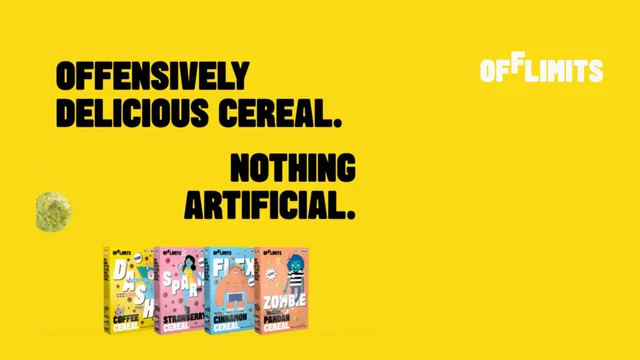

Selected marketing and campaign work. The scope shown under each project is listed from its own record.
Questions
Paid acquisition, answered.
- What is performance marketing?
- Paid distribution run against a measurable action, so campaign decisions can be tied to what the business is trying to achieve. It covers the audience, the offer, the creative, the ads, the landing experience the click arrives at, the tracking underneath it, and the decisions that follow.
- What is the difference between performance marketing and digital marketing?
- Digital marketing is the whole category — organic search, social, content, email and paid. Performance marketing is the paid part, run against a specific measurable outcome and judged on it.
- What is the difference between performance marketing and social media marketing?
- Performance marketing buys distribution against a conversion objective and stops when spend stops. Social media marketing builds an organic presence, voice and community with people who chose to follow. They work well together and are scoped as separate services.
- What is the difference between paid social and organic social?
- Paid social buys an audience against an objective with a media budget behind it; organic social earns one over time. Running ads on Instagram or LinkedIn is paid social and belongs to this service, even though the organic work happens on the same platforms.
- Google Ads or Meta Ads — which is better?
- Neither, in the abstract. Search platforms reach people who are already looking for something; feed platforms reach people who were not and have to earn the attention. The right one depends on whether demand for your offer already exists in search.
- Which ad platform should we use?
- The one where the demand exists, the audience behaves the way your offer needs, and the action that matters can actually be measured. Not every business needs both Google and Meta, and we would rather recommend one channel with a reason than two because a package includes them.
- Do we need a landing page for paid campaigns?
- Usually, yes. A campaign sending traffic to a general homepage asks the visitor to rediscover why they clicked, and most of them will not. What the page needs to do is continue the ad — same promise, same language, one relevant next step.
- What should a campaign optimise for?
- The action closest to the business outcome that can be measured reliably. Optimising for clicks is easy and usually optimises for the wrong thing; optimising for an enquiry or a purchase is harder to set up and worth the trouble.
- What is conversion tracking?
- The connection between campaign activity and the measurable actions the business cares about — an enquiry, a purchase, a booking. What can be set up depends on the platforms, the website and the downstream systems available.
- Is attribution exact?
- No. Ad platforms, analytics and your CRM will each report a slightly different version of the same week, because of privacy controls, attribution windows, blocked tracking, cross-device behaviour and outcomes that happen offline. We reconcile the sources we have and decide on the direction they agree on, rather than treating one dashboard as absolute.
- What is a qualified lead?
- An enquiry from somebody with the problem you solve, close enough to a decision to be worth a real conversation. Which specifics count as qualified is agreed with you at the start, because it is your definition that the campaign has to optimise towards.
- Why can a low cost per lead still be a bad campaign?
- Because cheap enquiries that are irrelevant, poorly matched or unlikely to go anywhere cost more than they appear to — in sales time, and in the budget that kept flowing towards them. Cost per enquiry only means something next to what the enquiries turned out to be.
- What makes ad creative effective?
- That it is built to answer a question about the audience rather than to satisfy a review. The same offer led by the problem, the outcome, a demonstration or proof will perform differently, and which one wins tells you something that carries into the landing page and the sales conversation.
- How do campaign tests work?
- One important variable at a time — audience, offer, creative angle, landing message or form friction — run long enough that the result is not noise, and judged against the outcome rather than the click. Changing several things at once produces a result nobody can act on.
- How is budget reallocated?
- On evidence about what came back, not on which ad looked most exciting. A campaign with a clear downstream signal gets maintained or extended; one producing traffic that does not fit gets its offer or audience changed before its budget; one without enough evidence yet gets more time or a deliberate stop.
- Can Branditify guarantee leads, sales or ROAS?
- No. Anyone guaranteeing a return on ad spend is describing something they do not control — the market, the competition and the platforms all move. What we commit to is the work that does determine the outcome: campaign structure, audience and offer, creative testing, landing alignment, tracking, and honest decisions about what the evidence supports.
- What determines the scope of a performance marketing engagement?
- How many channels and campaigns run, how many offers and markets are involved, how much creative is produced, how many landing pages are needed, how much tracking has to be built, whether the workflow is lead generation or ecommerce, whether downstream outcomes can be connected back, and how deep the testing and reporting go.
- Is ad spend separate from your fee?
- Yes. Media budget is paid to the advertising platforms and is separate from the work of planning and running the campaigns. How that is handled for a given engagement, including who holds the ad accounts, is set out in that engagement’s scope.
- What do you need from us?
- Access to the ad accounts and analytics, whatever brand and product material exists, somebody who can answer questions about the business, and a way to tell us which enquiries turned out to be any good. The last one is what makes the campaign improve.
- Who owns the ad accounts and campaign data?
- You do. Ad accounts, tracking configuration and campaign data stay in your name throughout, and handover includes the accounts and the reasoning behind how they are set up.
Start here
Tell us what a good outcome would actually look like.
Not the budget. That is a later question.
- What you sell, and to whom
- In your words, not the boilerplate
- What a good enquiry looks like
- The one your sales team would be pleased to get
- What you have tried already
- Including what did not work, which is more useful
- What already exists
- Ad accounts, analytics, landing pages, a CRM
- How you would know it worked
- Even roughly — we can help make it measurable